 Skip to content
MASH Models
Metabolic dysfunction-associated steatohepatitis (MASH), previously known as NASH, stands as the most severe form of nonalcoholic fatty liver disease (NAFLD) impacting approximately 15% of both men and women globally. Fat accumulation and chronic inflammation result in cirrhosis and increased risk of cancer. Let our experienced team assist your research in the pathology, mechanisms, and potential treatments using our clinically relevant NASH mouse model.

Non-Alcoholic Steatohepatitis (NASH)
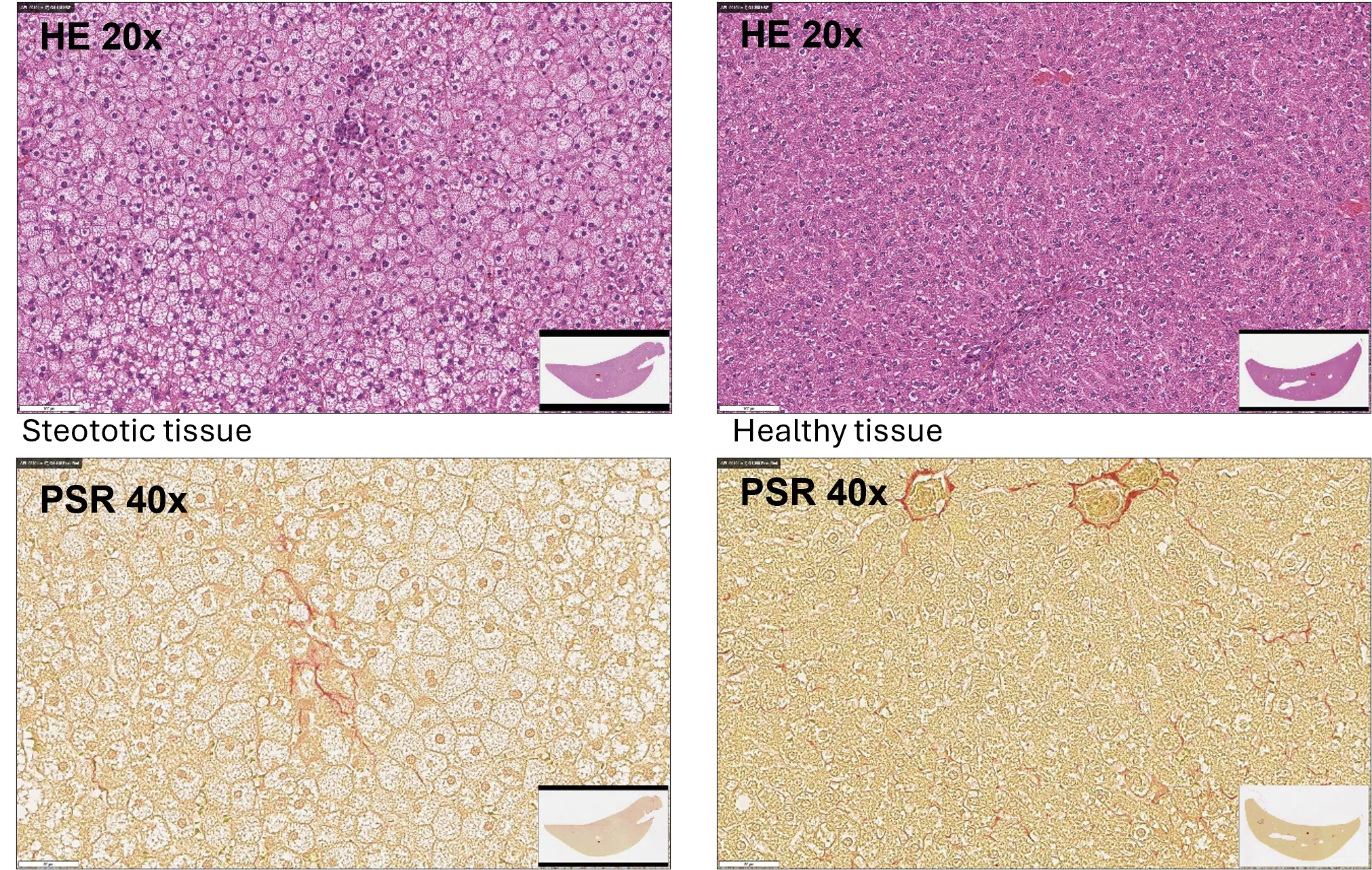
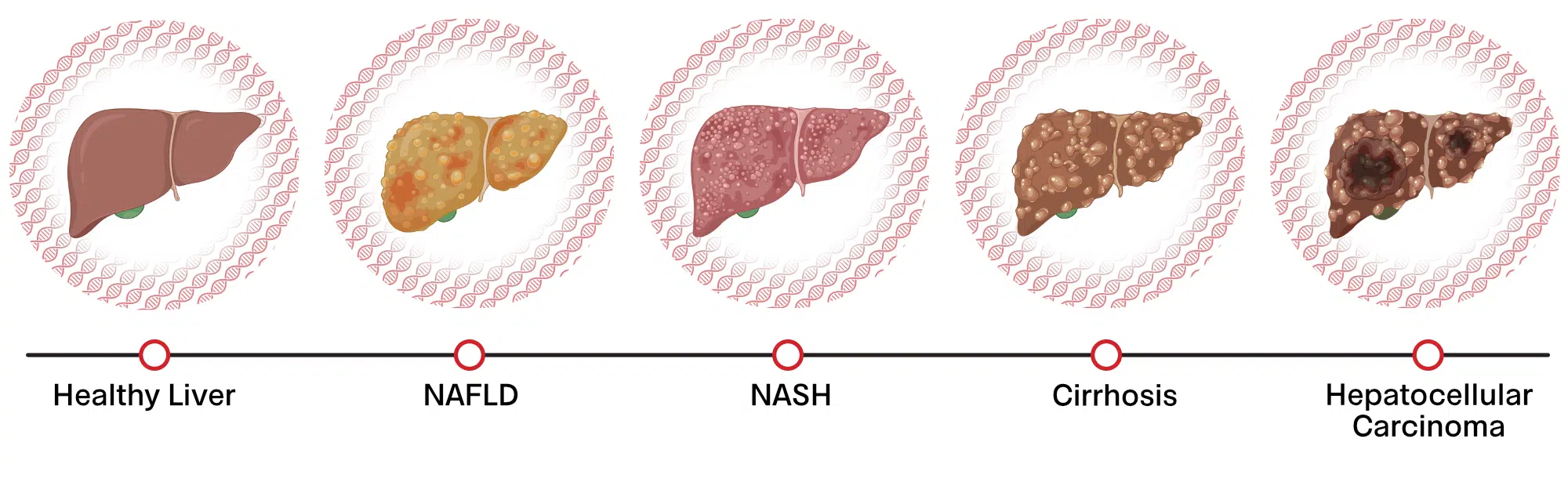
NASH is typically characterized by inflammation, fat accumulation, and liver cell damage. Due to its progressive nature, NASH, if not managed carefully, can result in severe liver complications, such as cirrhosis and hepatocellular carcinoma. With no approved treatments, this is one of the leading causes of liver transplants.
More than ~40% of the global population is estimated to be affected by NAFLD; however, the prevalence of NASH is approximated to be at around 15%. As obesity and metabolic disorders continue to increase globally, NAFLD/NASH rates are projected to rise as well, leading to staggering projected healthcare costs of over $1000 billion.
Development of reliable and clinically translatable models for researching the drivers of NASH, along with developing effective new pharmaceutical compounds is becoming increasingly crucial. The different NASH mouse models provide help in investigating the specific pathology that you are aiming to cure.
What is the NASH Mouse Model?
The NASH mouse models are curated models that mimic the key features of the human disease process. The NASH mouse models are designed to replicate the aspects of the multifaceted pathophysiology of NASH, including the accumulation of fat in the liver, inflammation, oxidative stress, and eventual progression to fibrosis and cancer.
In preclinical research, the NASH mouse models are essential for studying the underlying mechanism of the disease, testing therapeutic interventions, and evaluating efficacy of new drug candidates. This allows for close examination of the development of NASH, and how it responds to treatments in a controlled environment, only made possible through the NASH mouse models.
Variations of the Nash Mouse Model
Our mouse models are ideal for preclinical research, mirroring the progression of the NASH disease in humans. Offering diverse applications in research, and translational value in preclinical findings and clinical outcomes, explore our wide range of NASH mouse models below. We can help you develop the most translatable model to fit your specific disease area of interest, using single or combinatorial models.
Orthotopic implantation of HCC
HCC naturally develops in many NASH models but can take a long time. Should HCC be a primary component of NASH to investigate, we can help design the model to capture all your needs.
Flexible and Customizable Analytical Assays
Track research progress with real-time updates to study tasks and milestones. Collect robust and meaningful data.