 Skip to content
Ob/Ob HFD Mouse Models
This model utilizes obese mice (ob/ob) with a spontaneous mutation in the leptin gene provided with a high-fat diet (HFD) containing high levels of cholesterol and trans-fats. Leverage the experience and animal care expertise of Ichor’s staff design and run your ob/ob HFD NASH study.

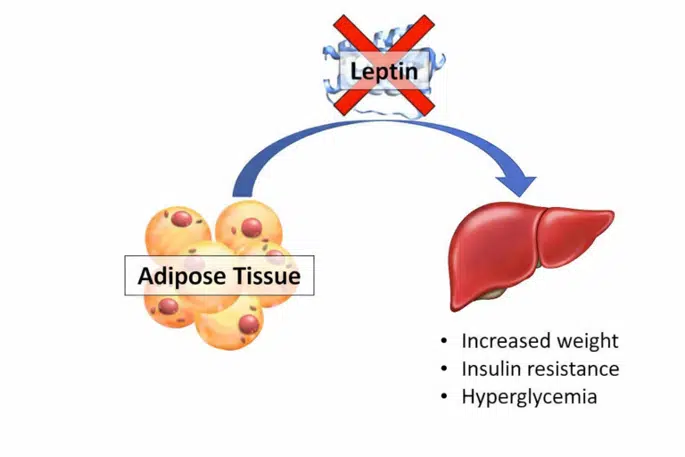
A point mutation in the leptin gene leads ob/ob mice to exhibit obesity, hyperphagia, transient hyperglycemia, glucose intolerance, and elevated plasma insulin. Exacerbated by a HFD to best fit the study goals, ob/ob mice more quickly develop steatohepatitis and fibrosis than wild-type counterparts fed the same diet, expediting your study timelines. Liver histopathology readily demonstrates the severity of the NASH phenotype.
Model NAFLD and Metabolic Diseases
Recreate the metabolic changes and disorders commonly found in human patients to study the causes and treatments for NAFLD and other clinically relevant conditions such as diabetes and obesity.
Accelerate NASH Without a Chemical Insult
Using a genetic model enables increased NAFLD phenotype development without the need for adding a chemical insult, allowing this animal model to closer mimic the human disease process.