 Skip to content
Cardiovascular Disease Models
Cardiovascular disease continues to be the leading cause of death in the US according to the American Heart Association. As contributing risk factors such as obesity and diabetes continue to rise, novel solutions to these diseases are in dire need. Ichor has specialized translational models, such as the ApoE-/- and Ldlr-/- mice, to help accelerate your cardiovascular drug development. We have the expertise to be your premier cardiovascular CRO.


Atherosclerosis and hypertension are the leading type of cardiac disease and impact nearly half of the US population respectively. Utilizing genetic models such as the ApoE or Ldlr knock out (KO) mice, atherosclerosis can efficiently develop in the aorta and heart valves. Hypertension can also effectively be created using angiotensin II (AngII) infusion, driving cardiac and renal remodeling. Our atherosclerosis and cardiovascular studies deliver clear and reproducible data on vascular immune infiltration, vascular fibrosis, and overall tissue remodeling. Animal models of these conditions are robust and the first step to evaluate what mimics the human disease.
Highlight: AngII micro infusion pump
Subcutaneous implantation of an Alzet osmotic micro infusion pump that slowly releases a precise dose of Angiotensin II is a premium model of hypertension induced cardiovascular disease. Short 14-day studies focus on the acute vascular remodeling cascade, while extension to 28 days results in predictable end-organ damage, particularly in the kidney. Couple this model to a genetic, diet-induced, or all of the above for a rapid answer to your most pertinent cardiovascular questions.
Diet induced mouse models of atherosclerosis
Utilizing high fat diets (HFD) to drive hyperlipidemia and/or hypercholesterolemia, we can develop plaque buildup in the heart and aorta. This can be in aged, DIO, or naïve animals for your flexibility. Let us help you ensure this model best fits your target needs.
Frequently Asked Questions
Your Results Await
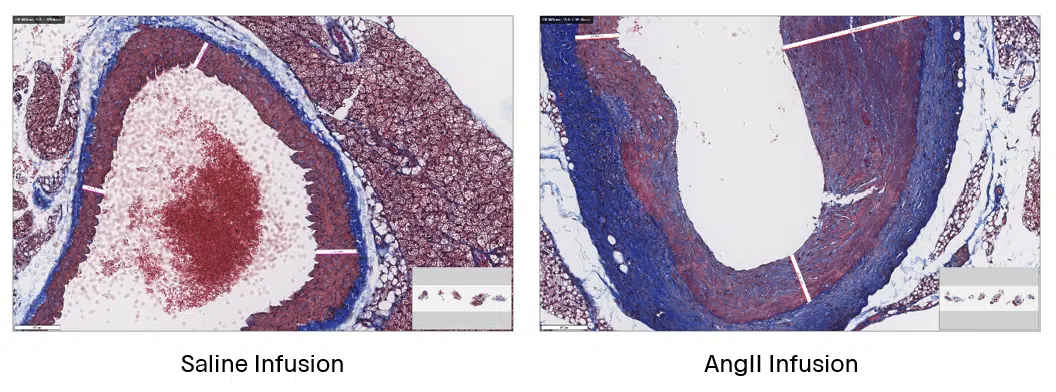
Subcutaneous implantation of an Alzet osmotic micro infusion pump that slowly releases a precise dose of Angiotensin II is a premium model of hypertension induced cardiovascular disease. The sample dataset above demonstrates our standard offering the produces a comprehensive workup to assess vascular inflammation, fibrosis, and remodeling.
Facilities and Animal Welfare

Our vivarium is USDA-certified and AAALAC accredited. Our IACUC supports rapid protocol review to initiate your study quickly and efficiently, while being sure to maintain animal welfare as highest priority.
Frequently Asked Questions
Answers to some of the most common questions about diet-induced obesity research service offerings.