 Skip to content
RAS Protein Assays
Partner with us to explore our RAS protein capabilities in purification, structural, biophysical, In vivo and functional cell-based assays. Contact us today to accelerate your RAS-targeted therapeutic development.

RAS Protein Overview

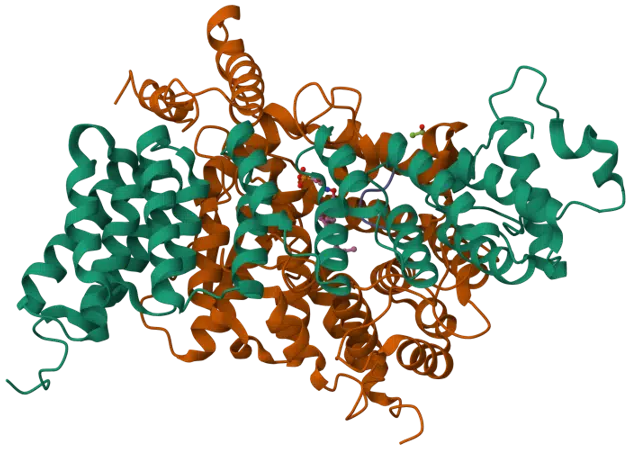
RAS proteins are a family of small GTPases, responsible for transmitting signals within cells. When RAS protein receives a signal, they switch on other protein and starts the process of cell growth, differentiation, and survival. Understanding of how RAS signaling works is pivotal for developing targeted therapies in oncology.
Using RAS for Target Validation in Cancer Research
At Ichor Life Sciences, we offer robust RAS target validation studies to confirm the therapeutic potential of RAS proteins. Our innovative approach integrates structural, biophysical, cell-based, in vitro, and protein purification techniques to deliver powerful data for your drug discovery pipeline. Our scientists utilize high-resolution structural biology, including X-ray crystallography and NMR, to delineate RAS (HRAS, KRAS, NRAS) binding pockets and validate inhibitor interactions. We also utilize Biophysical assays, like Surface Plasmon Resonance (SPR) and Isothermal Titration Calorimetry (ITC), to quantify binding kinetics and specificity. Our cell-based assays, utilizing CRISPR/Cas9 gene editing and RNAi screens in disease-relevant models, assess RAS-driven effects on proliferation, survival, and signaling pathways. Our in vivo models utilizes patient-derived xenografts (PDX) and genetically engineered mouse models (GEMMs) to evaluate RAS function and drug efficacy in physiologically relevant settings. Our validations include PK/PD studies to optimize dosing and validate target engagement.
RAS Capabilities and Services Summary
Protein Purification

Our protein purification services allow us to isolate RAS protein based on their unique biophysical and structural attributes such as size, charge, solubility and affinity to bind certain molecules. The process of protein purification consists of the following steps:
- Sample Preparation
- Protein Extraction
- Optimization and Purification
- Analysis and Quality Control
Biophysical Characterization
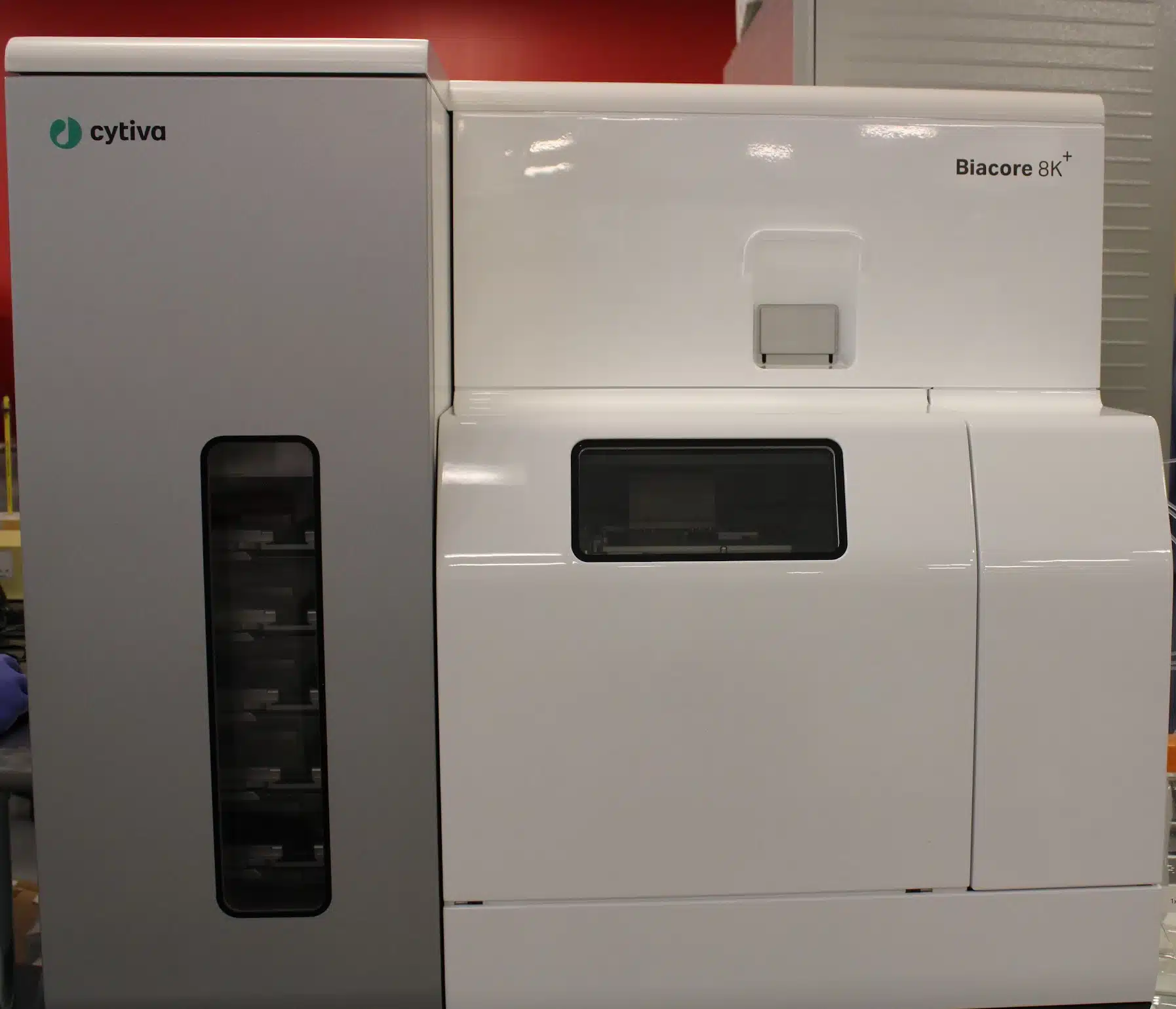
We perform Surface Plasmon Resonance ("SPR"), and Isothermal Titration Calorimetry ("ITC") Assays to assess RAS protein-ligand biomolecular interaction and provide direct and quantified evidence for the interaction.
Structural Biology Services
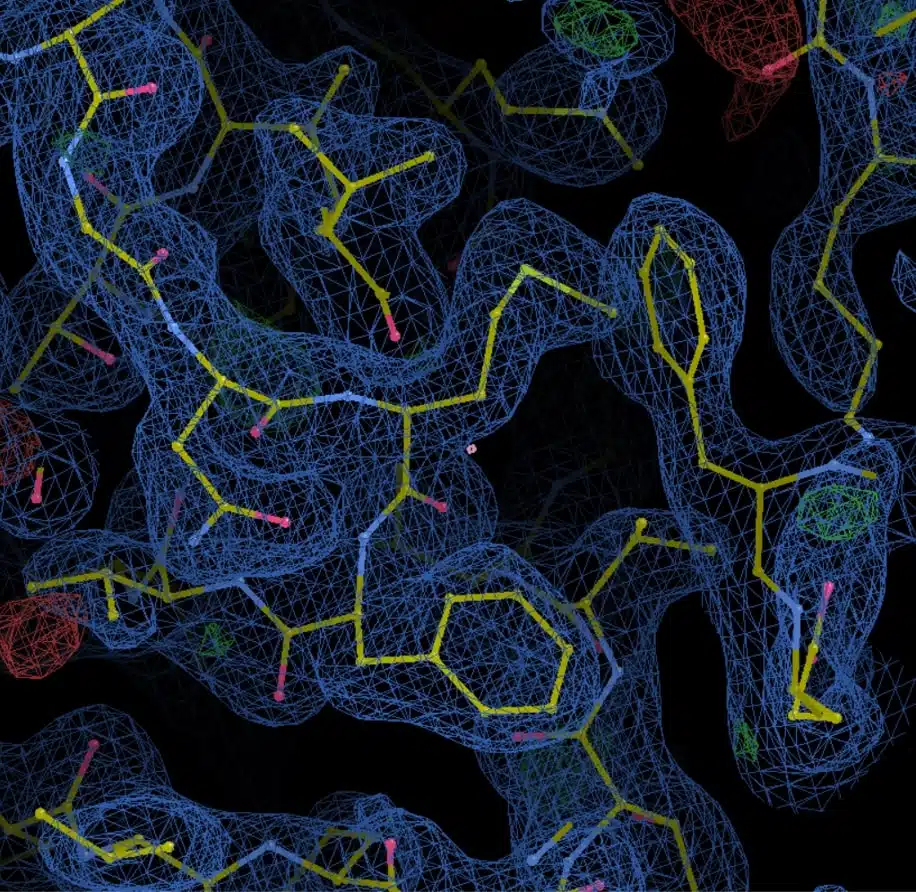
Using X-ray crystallography, we determine the spatial arrangement of atoms within biologically important macromolecules like RAS proteins. This process includes:
- Crystallization
- Data Collection
- Diffraction Pattern Analysis
- Fourier Transformation
- Model Building
- Refinement
- Validation
- Structure Analysis
Cell-Based Assays
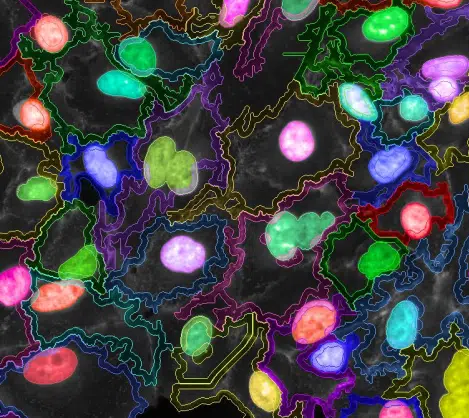
We offer signaling pathway specific cell-based assays to examine RAS activity, within a living cell ecosystem. Specific assays include:
- High-content screening (HCS)
- RAS localization assays
- Resonance transfer assays
- ERK phosphorylation assays
In Vivo Models
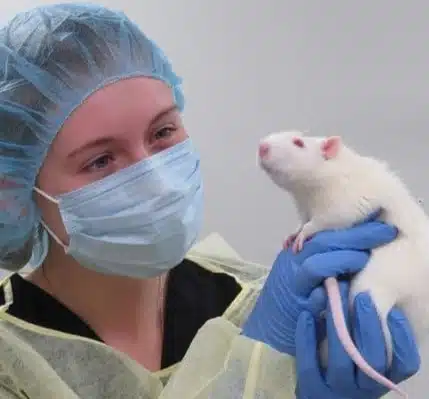
Our in vivo services support the study of transcription factor regulation in animal models to validate targets and evaluate therapeutic efficacy.